
Did you know that becoming a vegetarian you can save more than 100 animals from cruelty every year? This is why increasing more and more teens are choosing to eat a vegetarian diet every day. Of course there are other benefits in going vegetarian such as being healthier overall (reduced risk of heart disease!), helping the environment (eating 1 pound of meat emits the same amount of greenhouse gases as driving a SUV 40 miles!), and weight loss (vegetarians are 9 times less likely to be obese!).
There are many different types of vegetarians, these include:
Lacto-ovo-vegetarian: The most common type of vegetarian, someone that eats dairy products and eggs but no meat, fish, or poultry.
Lacto-vegetarian: Someone that eats dairy products, but no eggs, meat, fish, or poultry.
Ovo-vegetarian: Someone that eats eggs, but no dairy products, meat, fish, or poultry.
Pesca-vegetarian: A person that eats dairy, eggs, and fish but no meat or poultry.
Vegan: The strictest type of vegetarian, someone that doesn't eat ANYTHING from an animal, so no dairy, eggs, meat, fish, or poultry.
Sources:
http://www.goveg.com
http://www.vegetariantimes.com/features/archive_of_editorial/667
What is a Vegetarian?
Teen Nutrition
1,200–1,500 mg of calcium
12–15 mg of iron
40-50 grams of protein
and these vitamins (if there are two numbers, the first is for girls and the second is for boys):
700-900 mg of vitamin A
65-75 mg of vitamin C
400 IU of vitamin D
15 mg of vitamin E
2.4 micrograms of vitamin B121.2-1.3 mg of vitamin B6
1-1.2 mg of vitamin B1 / thiamin
14-16 mg of vitamin B3 / niacin
1-1.3 mg of vitamin B2 / riboflavin
400 micrograms of vitamin B9 / folic acid
All of these vitamins and minerals can be found by eating a healthy, balanced diet. However, since vegetarians do not eat meat, and in some cases don't eat eggs, milk, and fish, they need to be extra careful to make sure that they get enough
protein, iron, calciu m, and vitamin B12. Proteins are found in meats, but vegetarians can meet their daily protein needs by eating beans, nuts, tofu, and soy products. Iron is also found in meat, but it is also in raisins, broccoli, spinach, chickpeas, and watermelon. Most teens get their calcium from milk, but vegetarians can also find it in green leafy vegetables, and in soy products. Vitamin B12 can be found in most vegetarian diets, but vegans, who eat no meat, fish, egg, or dairy, will have to find it in fortified soy milks or some cereals.
m, and vitamin B12. Proteins are found in meats, but vegetarians can meet their daily protein needs by eating beans, nuts, tofu, and soy products. Iron is also found in meat, but it is also in raisins, broccoli, spinach, chickpeas, and watermelon. Most teens get their calcium from milk, but vegetarians can also find it in green leafy vegetables, and in soy products. Vitamin B12 can be found in most vegetarian diets, but vegans, who eat no meat, fish, egg, or dairy, will have to find it in fortified soy milks or some cereals.(Posted by Michelle)
Reccomended Calorie Intake
Age - the older you are, the less calories you need, because your metabolism slows
Weight - the heavier you are, the more calories you need, because you have more body mass that needs calories
Height - the taller you are, the more calories you need, because you have more body mass that needs calories
Gender - males need more calories per day than females
Amount of physical activity - the more physical activity you do, the more calories you need because you use more energy.

To calculate your individual recommended calorie intake, use the Harris-Benedict Equation:
For women: 655 + (4.35 x weight) + (4.7 x height) - (4.7 x age)
For men: 66 + (6.23 x weight) + (12.7 x height) - (6.76 x age)
Remember, the weight is your weight in pounds, height is your height in inches, and age is your age in years.
For example, a 20 year old woman who weighed 120 lbs and was 5' 7" tall would use this equation:
655 + (4.35 x 120) + (4.7 x 67) - (4.7 x 20)
Which would simplify down to:
655 + 522 + 314.9 - 94
Which equals:
1397.9
Then, multiply this result based on your level of physical activity.
No exercise: multiply by 1.2
Light exercise (1-3 days per week / lightly active): multiply by 1.375
Moderate exercise (3-5 days per week / moderately active): multiply by 1.55
Heavy excercise (6-7 days per week / very active): multiply by 1.725
Therefore, if this woman was moderately active, she would multiply her result by 1.55. Her final result would be:
1397.9 x 1.55 = 2,166.745 calories per day.
(Posted by Michelle)
Sources:
For women: 655 + (4.35 x weight) + (4.7 x height) - (4.7 x age)
For men: 66 + (6.23 x weight) + (12.7 x height) - (6.76 x age)
Remember, the weight is your weight in pounds, height is your height in inches, and age is your age in years.
For example, a 20 year old woman who weighed 120 lbs and was 5' 7" tall would use this equation:
655 + (4.35 x 120) + (4.7 x 67) - (4.7 x 20)
Which would simplify down to:
655 + 522 + 314.9 - 94
Which equals:
1397.9
Then, multiply this result based on your level of physical activity.
No exercise: multiply by 1.2
Light exercise (1-3 days per week / lightly active): multiply by 1.375
Moderate exercise (3-5 days per week / moderately active): multiply by 1.55
Heavy excercise (6-7 days per week / very active): multiply by 1.725
Therefore, if this woman was moderately active, she would multiply her result by 1.55. Her final result would be:
1397.9 x 1.55 = 2,166.745 calories per day.
(Posted by Michelle)
Sources:
Macronutrients
Carbohydrates
Composition: Carbohydrates contain Carbon and hydrogen. Carbohydrates also contain sugars, starch, and fiber.Role: Carbohydrates are an easy source of energy for your body. They are the macronutrient you need the most of. There are 4 calories per gram of carbohydrate.
Recommended intake: 45-65% of your calories should be from carbohydrates.
Sources: You can get carbs form grains, pasta, rice, cereal, fruits (such as apples, bananas, grape fruits and melons) and potatoe
Recommended intake: 45-65% of your calories should be from carbohydrates.
Sources: You can get carbs form grains, pasta, rice, cereal, fruits (such as apples, bananas, grape fruits and melons) and potatoe
s. You can also get carbs form veggies but in a smaller amount then in the foods I listed previously.
Other facts on why we need Carbohydrates:
* Carbohydrates are need for the central nervous system, the kidneys, the brain, the muscles (which includes the heart) to function p
Other facts on why we need Carbohydrates:
* Carbohydrates are need for the central nervous system, the kidneys, the brain, the muscles (which includes the heart) to function p
roperly.
* Carbohydrates can be stored in the liver and then later be used as energy.
* Carbohydrates are important factors in intestinal health and the disposing of bodily waste.
Proteins Composition: Protein is made of antibodies, hemoglobin, carbon, hydrogen, oxygen, nitrogen, and amino acids.
Role: Protein gives us energy and helps produce important hormones and enzymes . Proteins is also essential for the repair of skin, hair, nails, tendons, ligaments, bones, and muscles.
Recommended intake: 10-35% percent of calories should be from protein. Most Americans meet this recommended intake. There are 4 calories per gram of protein.
Sources: You can find protein in meats, poultry, fish, tofu, beans, cheese, milk, nuts, and legumes. You can also find smaller quantities of protein in starch foods and vegetables.
Other facts about Protein:
* Protein is an important part of keeping the immune system running
* Protein provides energy when carbohydrates aren't available.
* Protein preserves lean muscle mass.
Fats
 Composition: Fats are made of liquids, carbon, hydrogen and fatty acids.
Role: We need fat for many reasons, one of them is that fat is the most concentrated source of energy. We also need fat (especially as teenagers) for normal growth and healthy development. Fat also helps us absorb certain vitamins (such as vitimins A, D, E, K, and carotenoids.) And lastly, fat helps maintain cell membranes.
Recommended intake: 20-35% of calories should be from fat.
Sources: You can find fat is meat, poultry, nuts, milk, butter and margarine, oil, lard, fish, grain products and salad dressings.
Other facts about fat:
* Fat provides a cushion for organs.
* Fat provides taste, consistency and stability to foods
Written and posted by: Maya Jennings
Cites:
http://www.mckinley.illinois.edu/handouts/macronutrients.htm
http://www.mypyramid.gov/mypyramid/
http://life.familyeducation.com/protein/foods/48677.html
http://kidshealth.org/teen/food_fitness/nutrition/vegetarian.html#
* Carbohydrates can be stored in the liver and then later be used as energy.
* Carbohydrates are important factors in intestinal health and the disposing of bodily waste.
Proteins
Composition: Protein is made of antibodies, hemoglobin, carbon, hydrogen, oxygen, nitrogen, and amino acids.Role: Protein gives us energy and helps produce important hormones and enzymes . Proteins is also essential for the repair of skin, hair, nails, tendons, ligaments, bones, and muscles.
Recommended intake: 10-35% percent of calories should be from protein. Most Americans meet this recommended intake. There are 4 calories per gram of protein.
Sources: You can find protein in meats, poultry, fish, tofu, beans, cheese, milk, nuts, and legumes. You can also find smaller quantities of protein in starch foods and vegetables.
Other facts about Protein:
* Protein is an important part of keeping the immune system running
* Protein provides energy when carbohydrates aren't available.
* Protein preserves lean muscle mass.
Fats
Composition: Fats are made of liquids, carbon, hydrogen and fatty acids.Role: We need fat for many reasons, one of them is that fat is the most concentrated source of energy. We also need fat (especially as teenagers) for normal growth and healthy development. Fat also helps us absorb certain vitamins (such as vitimins A, D, E, K, and carotenoids.) And lastly, fat helps maintain cell membranes.
Recommended intake: 20-35% of calories should be from fat.
Sources: You can find fat is meat, poultry, nuts, milk, butter and margarine, oil, lard, fish, grain products and salad dressings.
Other facts about fat:
* Fat provides a cushion for organs.
* Fat provides taste, consistency and stability to foods
Written and posted by: Maya Jennings
Cites:
http://www.mckinley.illinois.edu/handouts/macronutrients.htm
http://www.mypyramid.gov/mypyramid/
http://life.familyeducation.com/protein/foods/48677.html
http://kidshealth.org/teen/food_fitness/nutrition/vegetarian.html#
Pictures:
Foods to Limit
Here are some foods to limit:
Foods high in sugar:
Foods high in sugar:
 All sugar isn't bad, but it's best to get the majority of sugars from natural sources like fruits. Foods with added sugar like soda, candy, cookies, and ice cream will give you a quick burst of energy, but die off quickly. Basically they're empty calories.
Foods with high fat content:
 Although most people think of fat as something bad, there are also good fats that you need such as polyunsaturated fat, and monounsaturated fat. These types of fat can be found in foods like avocados, olive oil (olives), and nuts. However there are fats that aren't as good for us such as saturated and trans fats. These are man made fats put in packaged food (often appearing as "partially hydrogenated oils") for a specific texture. They clog up your arteries and can lead to heart disease. Some foods that have these fats are potato chips, donuts, fast food (burgers and fries), instant cup noodles, and butter.
(Posted by Uluwehi)
Sources:
http://www.vrg.org/nutrition/
http://pediatrics.about.com/
http://www.keepkidshealthy.
Pictures:
3 Day Meal Plan (for a Lacto ovo vegetarian)
Breakfast:
1 cup of a Whole Grain Cereal (such as Oatmeal Squares, Cheerios, Kashi, Life, etc...)
1 cup of low fat soy milk
1 Banana
Lunch:

1 whole wheat wrap (with tomatoes, lettuce, bell pepper, grilled portobello mushroom, basil, onions, and mozzarella cheese. You can add a little mayonnaise if you want.)
1 orange
1 orange
1 cup of yogurt
Dinner:
1 vegetarian taco (with refried beans, ripe olives, onions, tomatoes, lettuce, zucchini, cheddar cheese, taco seasoning, high fiber tortilla)
1/2 a cup of assorted vegetables
2 teaspoons dressing
1 vegetarian taco (with refried beans, ripe olives, onions, tomatoes, lettuce, zucchini, cheddar cheese, taco seasoning, high fiber tortilla)
1/2 a cup of assorted vegetables
2 teaspoons dressing
Snack:
1 Apple (cut into slices)
4 tablespoon full of peanut butter
3 tablespoons of honey (mixing the peanut butter and honey makes a good dip for the apple slices.)
Day 2
Breakfast:
 1 Omelet (inside the omelet: onions, green bell pepper, tomatoes, broccoli, swiss cheese, 3/4 teaspoon salt, 1/8 teaspoon pepper.)
4 tablespoon full of peanut butter
3 tablespoons of honey (mixing the peanut butter and honey makes a good dip for the apple slices.)
Day 2
Breakfast:
1 Omelet (inside the omelet: onions, green bell pepper, tomatoes, broccoli, swiss cheese, 3/4 teaspoon salt, 1/8 teaspoon pepper.)1/2 a cup of strawberries
1 cup soy milk
Lunch:
Lunch:
1 Bagel
2 tablespoons peanut butter
2 tablespoons strawberry jam
1 cup carrot sticks
Dinner:
 1 cup spaghetti
2 tablespoons peanut butter
2 tablespoons strawberry jam
1 cup carrot sticks
Dinner:
1 cup spaghetti1/2 a cup of mushroom and tomato sauce
3 soy meatballs
3 soy meatballs
1 cup fruit salad (pineapple, mango, strawberry, apple, kiwi, oranges, pears, etc...)
Snack:
1 cup of yogurt
1 tablespoons of granola
Snack:
1 cup of yogurt
1 tablespoons of granola
Day 3
Breakfast:
Breakfast:
2 pieces of wheat toast (with your choice of jam)
1 cup of sliced mango
1 cup of 1% milk
Lunch:
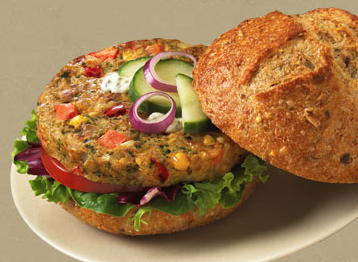
 1 gardenburger (with whole wheat bun, lettuce, tomato, and onions)
1 sandwich bag of veggie straws
1 cup of sliced mango
1 cup of 1% milk
Lunch:
1 gardenburger (with whole wheat bun, lettuce, tomato, and onions)1 sandwich bag of veggie straws
1 pear sliced
Dinner:
1 cup brown and white rice (mixed)
1 cup curry (cabbage, carrots, onions, ginger, garlic, tofu, and curry spice mix)
1/2 a cup of sliced cucumber
Dinner:
1 cup brown and white rice (mixed)
1 cup curry (cabbage, carrots, onions, ginger, garlic, tofu, and curry spice mix)
1/2 a cup of sliced cucumber
Snack: 1 Orange
1 bag of craisins
Posted by: Maya Jennings
Sites:
http://kidshealth.org/teen/food_fitness/nutrition/vegetarian.html#
http://www.youngwomenshealth.org/vegetarian.html
http://www.youngwomenshealth.org/menu.html
http://vegetarian-recipes.suite101.com/article.cfm/top_10_vegetarian_snacks
http://www.ivu.org/recipes/indian-veg/cabbage-and.html
1 Orange1 bag of craisins
Posted by: Maya Jennings
Sites:
http://kidshealth.org/teen/food_fitness/nutrition/vegetarian.html#
http://www.youngwomenshealth.org/vegetarian.html
http://www.youngwomenshealth.org/menu.html
http://vegetarian-recipes.suite101.com/article.cfm/top_10_vegetarian_snacks
http://www.ivu.org/recipes/indian-veg/cabbage-and.html
Pictures:
Subscribe to:
Posts (Atom)
Subscribe To




 Posts
All Comments
Posts
All Comments